Breaking
Latest health news from South Africa and around the world•Wellness, nutrition, and fitness updates daily•Medical breakthroughs and healthcare updates•Science-backed health explainers and guides•Health tech, reviews, and upcoming events•
 Staff Writer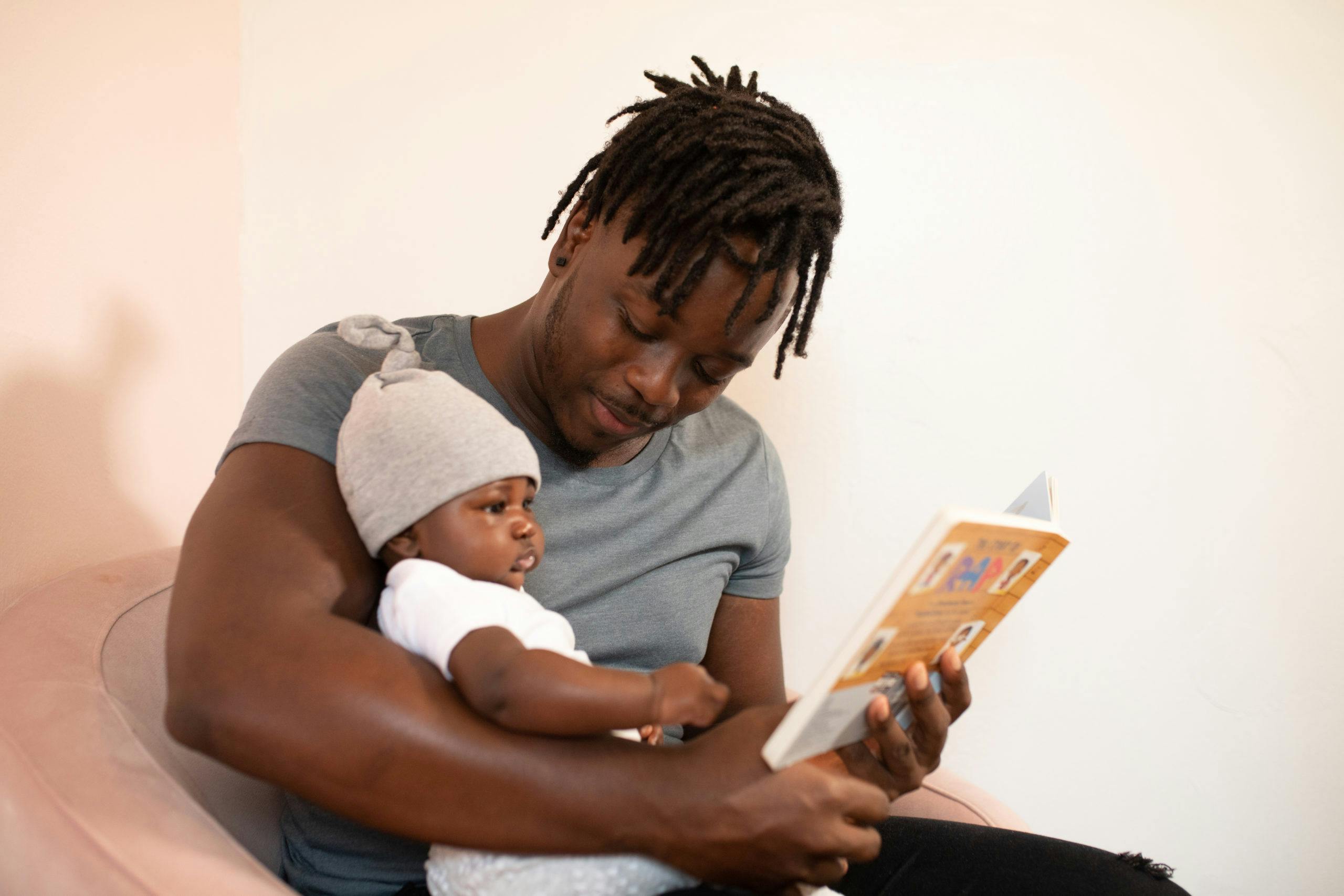
Father involvement is more than a social ideal. It is a public-health issue with measurable benefits for child health, maternal wellbeing and long-term development outcomes in South Africa.
In South Africa, child health discourse has traditionally centred on mothers, particularly during pregnancy, infancy, and early childhood. While maternal care remains foundational, this emphasis has often come at the expense of recognising another critical influence on child wellbeing: active father involvement. A growing body of local and international research shows that when caregiving is shared, children experience better physical health, stronger emotional development, and improved long-term outcomes.
Father involvement is not merely a social ideal; it is increasingly recognised as a determinant of public health.
Global health research demonstrates that children with engaged fathers experience better physical health outcomes, including lower rates of injury and illness. Reviews of international studies by the World Health Organisation and UNICEF show that father involvement is associated with improved health-seeking behaviour, including higher adherence to immunisation schedules and more consistent use of healthcare services. In the South African context, where preventable childhood illness remains a concern, shared caregiving increases the likelihood that children access care early and consistently.
Research also highlights the role fathers play in shaping children’s mental and emotional well-being. Longitudinal studies published in journals such as The Lancet and Journal of Child Psychology and Psychiatry show that children who experience warm, responsive relationships with both parents have lower rates of anxiety, depression, and behavioural difficulties. These protective effects are particularly important in South Africa, where many children grow up amid economic stress, community violence, and instability. Father involvement has been shown to buffer the impact of these stressors, supporting emotional regulation and resilience.
The benefits of shared parenting are especially pronounced in early childhood. Evidence from early childhood development research consistently shows that father engagement during the first 1,000 days of life supports cognitive development, language acquisition, and school readiness. Studies conducted in low- and middle-income countries, including South Africa, indicate that children whose fathers participate in play, reading, and routine caregiving demonstrate stronger early learning outcomes. These early gains are closely linked to improved educational attainment and health outcomes later in life.
Local research further underscores the importance of fathers within South African families. Studies by the Human Sciences Research Council, as well as work by scholars such as Linda Richter, highlight both the high prevalence of father absence and the measurable benefits of active father engagement. Children with involved fathers show improved social competence, stronger self-esteem, and reduced engagement in risky behaviours during adolescence, including substance use and early sexual activity, all of which remain key public health concerns in the country.
Shared parenting also improves child health indirectly by supporting maternal well-being. International evidence shows that when fathers are actively involved in caregiving, mothers experience lower levels of stress and a reduced risk of postpartum depression. South African research echoes these findings, particularly in contexts where maternal mental health challenges are prevalent and closely linked to child health outcomes. Mothers who are supported are better able to provide responsive care, maintain healthy routines, and seek healthcare when needed.
At a broader societal level, father involvement contributes to improved health and social outcomes. Research consistently shows that children raised with engaged fathers are more likely to perform better academically, form healthy relationships, and avoid high-risk behaviours. From a public health perspective, shared parenting also challenges harmful gender norms and promotes greater gender equality within households, a critical driver of long-term health and development.
Despite the strong evidence base, many South African fathers face significant barriers to active involvement in parenting. Limited paternity leave, workplace inflexibility, unemployment, and persistent social norms that frame caregiving as women’s work continue to restrict father participation. Health services, particularly maternal and child health programmes, often unintentionally exclude fathers, reinforcing their marginal role in caregiving.
Addressing these barriers requires coordinated shifts in policy, practice, and social norms. Father-inclusive health services, expanded and normalised paternity leave, flexible work arrangements, and public health messaging that explicitly recognises men as caregivers are essential. Parenting education and support programmes must speak to both parents, reflecting the evidence that shared caregiving strengthens family wellbeing and child health outcomes.
Improving child health in South Africa cannot rest on mothers alone. The evidence is clear: fathers matter, from pregnancy through childhood and beyond. Recognising and supporting shared parenting is not only a family issue, but a strategic investment in public health, social stability, and the future of South Africa’s children.
Source: SA Health News