Breaking
Latest health news from South Africa and around the world•Wellness, nutrition, and fitness updates daily•Medical breakthroughs and healthcare updates•Science-backed health explainers and guides•Health tech, reviews, and upcoming events•
 Staff Writer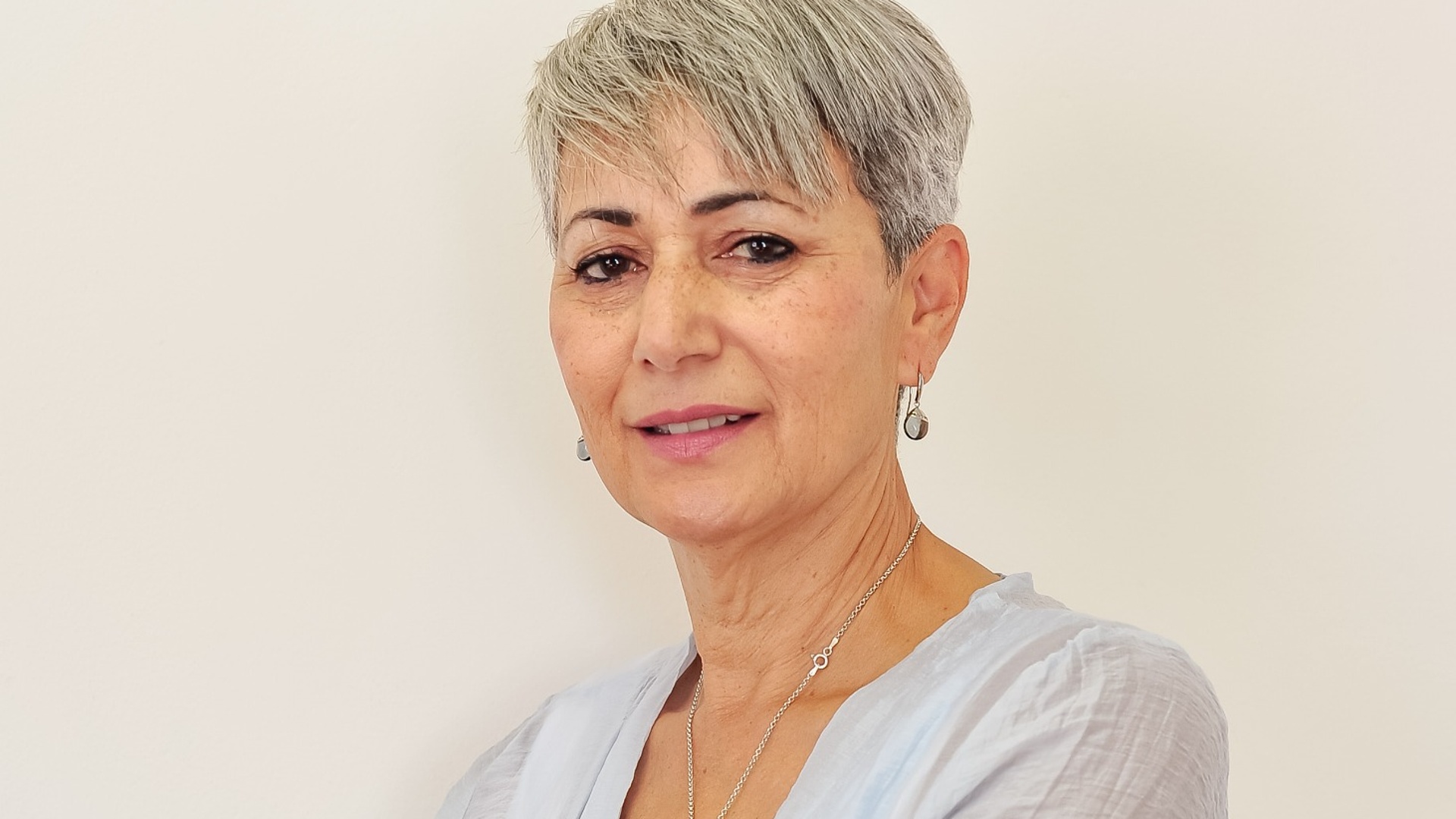
In many conversations about leadership, power is often measured by influence or position. Yet some of the most impactful leaders work quietly in spaces where recognition is rare, and where success is measured not in headlines but in changed lives.
After nearly four decades dedicated to vulnerable children, Karen Farred, CEO of Girls and Boys Town South Africa, believes leadership is not defined by authority or visibility, but by responsibility.
As the world marks International Women’s Day under the theme “Give to Gain,” Farred’s career offers a powerful reminder that giving is not an act of sacrifice. It is an act of transformation. In many conversations about leadership, power is often measured by influence or position. Yet some of the most impactful leaders work quietly in spaces where recognition is rare, and where success is measured not in headlines but in changed lives.
For Farred, leadership has never been about personal achievement. It has always been about people, particularly children whose futures depend on the decisions adults make today. Her journey into social work began long before her career formally started. After her father passed away, she was raised in a matriarchal home by her mother and grandmother. In that household, care was not limited to family. It extended beyond circumstance, background or difference.
Looking back, she describes it simply: caring for others was just how life worked. Those early lessons were reinforced by her education and by growing up in South Africa during a time when questions of justice, dignity and equality were impossible to ignore. Choosing social work was therefore not simply a professional decision. It felt inevitable.
Guided by the principle Non Nobis — “not for ourselves” — Farred entered a profession where leadership is measured not by profit or prestige, but by the ability to change lives. Leading an organisation that works with vulnerable children means making decisions that can shape the trajectory of young lives. It is a responsibility she approaches with deep care.
“It is something I approach with a great deal of humility,” she says. “Because what ensures the right people, systems and environments exist to help children rebuild their confidence and thrive. Yet the emotional labour behind this work is rarely visible. Working closely with young people who have experienced abuse, neglect and trauma inevitably affects those trying to help them. In the sector, this is known as secondary trauma.
“There are moments when you feel a sense of hopelessness,” Farred acknowledges.
But those moments are often eclipsed by the resilience of the young people themselves. “When you look at a child who has survived unimaginable hurt and pain, you realise they deserve every opportunity to heal and become the best version of themselves.”
That resilience, she says, is also what sustains the people who dedicate their lives to this work. After 38 years in child and youth care, including 27 years at Girls and Boys Town South Africa, Farred reflects on a career that has given her far more than it has taken. With characteristic humour, she jokes that the work has taken her black hair and replaced it with endless grey. But the real reward lies in the lives she has witnessed transform.
Over the decades, many young people who passed through the organisation’s programmes have gone on to build stable and successful lives. Some return years later as adults to share their journeys. For Farred, those moments are deeply meaningful. They represent something far bigger than individual success stories; they represent cycles broken, families strengthened, and futures rewritten. Working alongside vulnerable children also reshapes one’s understanding of strength.
Strength is not found in control or authority, but in resilience, the courage to endure hardship while still believing in the possibility of something better.
“The courage children demonstrate in surviving their life experiences is extraordinary,” she says. Time and again, she has seen how the right environment, consistent care and genuine opportunity can become catalysts for change.
“When young people begin to believe in themselves again,” she says, “they shine.” Her leadership philosophy challenges traditional ideas about power. Rather than leading over people, she believes in leading with them.
Her focus is on cultivating what she calls “power to” the ability for individuals to recognise and develop their own strengths.
It echoes a sentiment once expressed by British statesman Benjamin Disraeli: “The greatest good you can do for another is not just share your riches, but reveal to them their own.” For children who have often been told they are not enough, that shift in belief can be life-changing. For Farred, investing in children goes far beyond individual stories. It is about the future of the nation.
“When we invest in our children today, we build a stronger tomorrow,” she says. Early support, stability and opportunity can interrupt cycles of abuse, neglect and poverty that might otherwise continue for generations. In this sense, supporting children is not only a social responsibility but also a form of nation-building.
As conversations around women’s leadership continue to evolve, Farred believes many women underestimate the power of their instinct to care, lead and give. Her advice to those who feel called to serve but worry about the personal cost is simple: Embrace it.
“You will receive far more than you give.” And perhaps that is the deeper truth behind the theme Where We Give, We Gain. Because when leadership is rooted in care, its impact travels far beyond the leader, reaching children, families, communities and generations still to come.
Source: SA Health News