Breaking
Latest health news from South Africa and around the world•Wellness, nutrition, and fitness updates daily•Medical breakthroughs and healthcare updates•Science-backed health explainers and guides•Health tech, reviews, and upcoming events•
 Health Team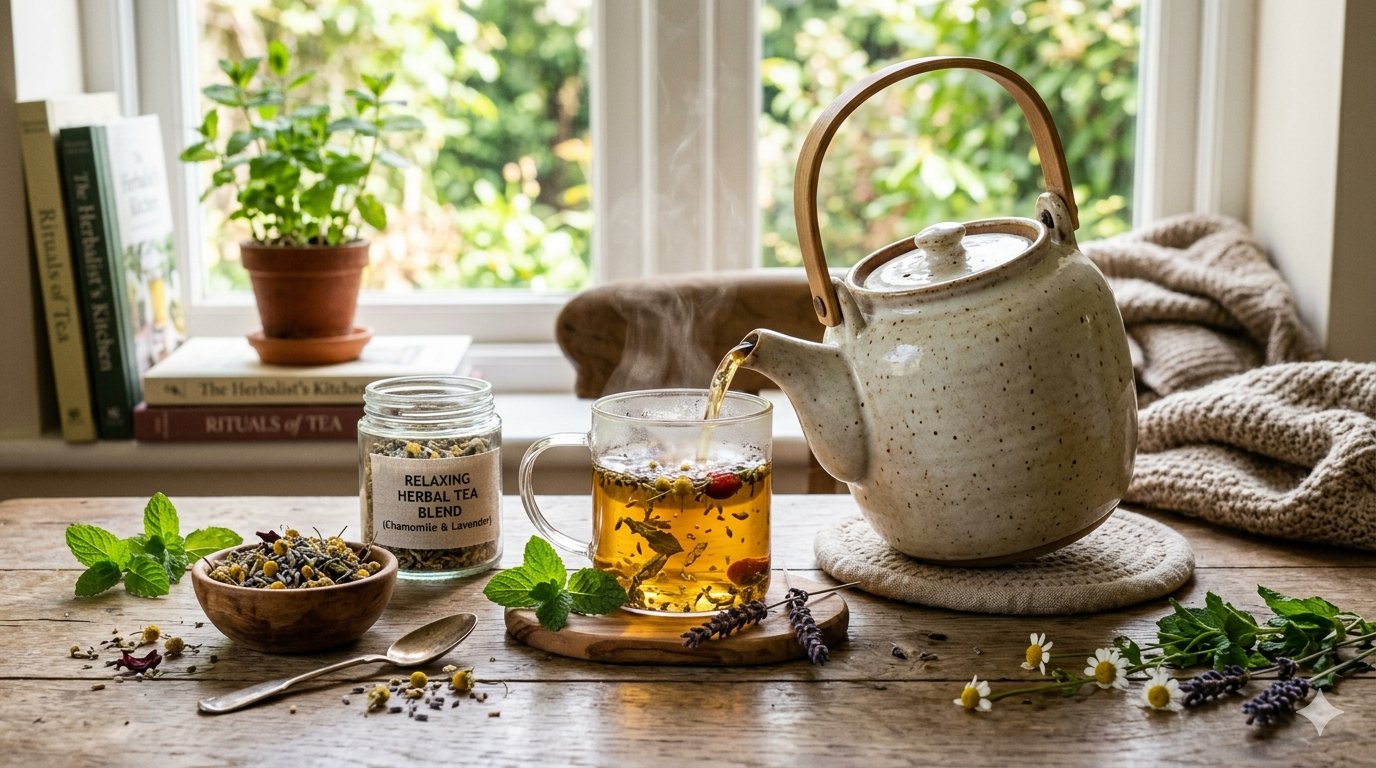
From fermented foods and medicinal plants to community-centred healing practices, indigenous African knowledge is finding renewed relevance in today's wellness conversations. As Africa continues to define its own wellness narrative, many are asking whether traditional wisdom can complement modern healthcare approaches.
As global conversations around wellness continue to evolve, many Africans are increasingly reconnecting with indigenous knowledge systems that have supported communities for generations. From herbal remedies and traditional foods to holistic healing practices and community-centred wellbeing, indigenous wellness approaches are gaining renewed attention in modern health discussions.
Across the continent, interest is growing in how traditional African knowledge can complement modern healthcare, particularly as people seek more preventative, accessible and culturally relevant approaches to wellbeing.
Long before wellness became a global industry, African communities relied on indigenous plants, nutrition, movement, spirituality and communal care to support physical and emotional health. Today, many of these traditional practices are re-emerging in modern wellness spaces. Ingredients such as moringa, baobab, sorghum, rooibos, turmeric and fermented foods are increasingly recognised for their nutritional value and potential health-supporting properties.
Fermented foods, including Mageu, Amasi and fermented sorghum products, are attracting renewed interest for their potential role in supporting gut health, digestion and immunity. This resurgence reflects a broader shift towards natural wellness, preventative healthcare and holistic living.
That said, mental wellness is also becoming an important part of the indigenous wellness conversation. In many African cultures, healing has traditionally been approached holistically, recognising the connection between emotional, spiritual, physical and community wellbeing.
As anxiety, depression and burnout continue to rise globally, some experts believe there is value in exploring how community support systems, storytelling, spirituality and cultural identity can contribute to emotional resilience.
While traditional healing practices should not replace professional mental healthcare, there is growing recognition that culturally relevant wellness approaches may help reduce stigma and encourage more open conversations about mental health within African communities.
Researchers and health innovators are increasingly exploring how traditional African knowledge systems can work alongside scientific research and modern healthcare approaches.
While more evidence-based research is needed in some areas, the growing interest in indigenous wellness reflects a desire to preserve cultural knowledge while exploring its relevance in contemporary health and wellbeing.
As Africa continues to shape its own wellness narrative, indigenous knowledge may play an important role in creating healthcare approaches that are both culturally grounded and responsive to modern needs.
Source: SA Health News